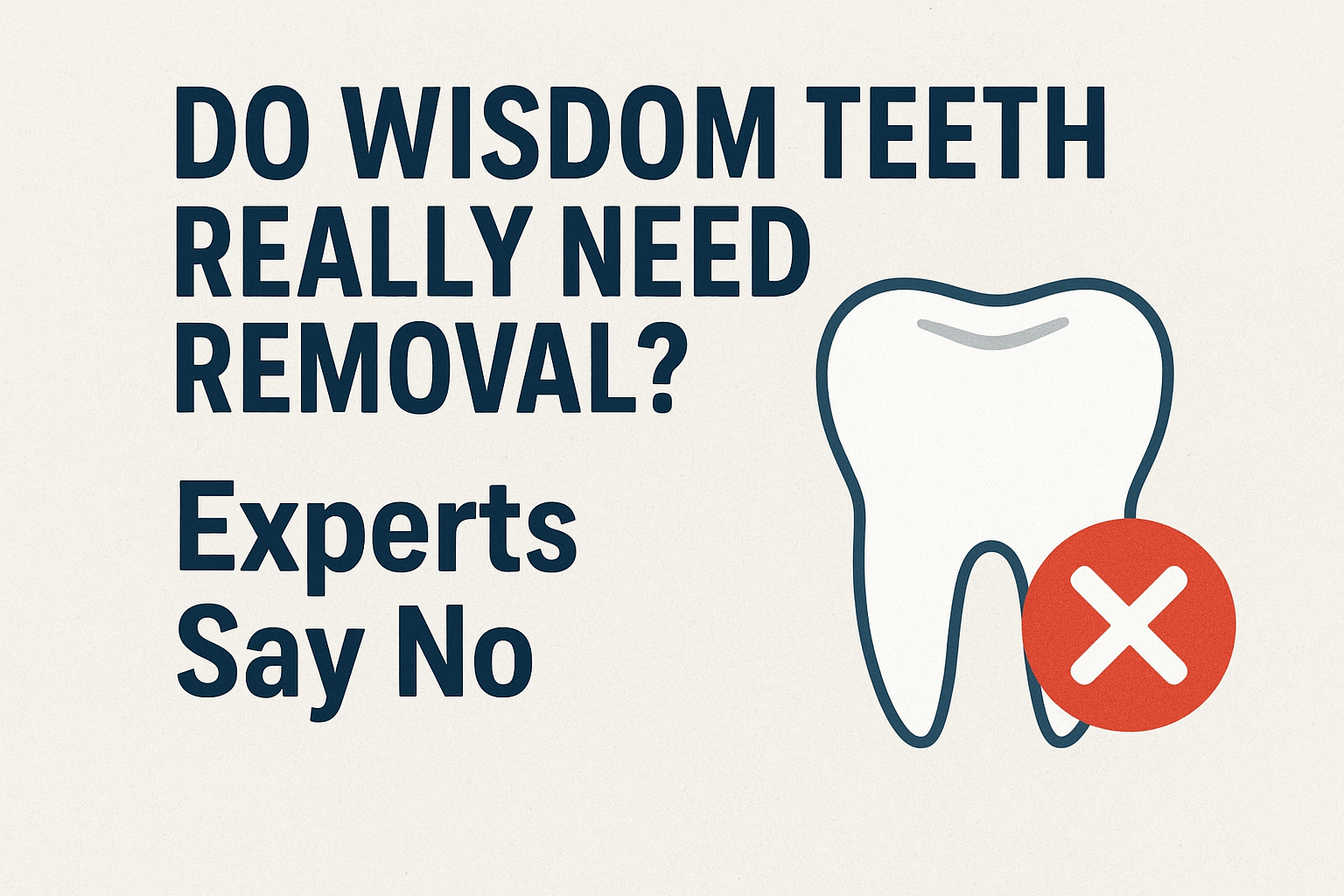
Experts say wisdom teeth often don’t need removal unless they cause pain, infection, or crowding, challenging the idea that extraction is routine.
Why Experts Are Rethinking Wisdom Teeth Removal
For many years, removing wisdom teeth before they caused any problems was considered a routine part of dental care. Teens and young adults were often told that extraction was necessary to avoid future issues. But today, dental experts are urging a more cautious, evidence-based approach.
Research now shows that not all wisdom teeth need to be removed. If they are healthy, fully erupted, and properly aligned, they can stay right where they are. This shift toward preservation helps avoid unnecessary surgery and supports long-term oral health.
Let’s explore why experts now say you might not need your wisdom teeth removed — and when extraction is still the right call.
What Are Wisdom Teeth & Why Do They Matter?
Wisdom teeth (third molars) typically erupt between the ages of 17–25. Some people experience discomfort, impaction, or crowding, which traditionally led to automatic removal.
But not everyone faces these issues.
Modern dentistry recommends monitoring first and removing only if there’s clear evidence of a problem.
Why Keeping Wisdom Teeth Can Be Beneficial
1️⃣ They Work Like Normal Molars
Healthy wisdom teeth help with chewing and maintain a balanced bite force.
2️⃣ You Avoid Surgical Risks
Tooth extraction involves possible complications such as:
• Infection
• Nerve injury
• Dry socket
• Jaw stiffness and swelling
If surgery isn’t necessary — why take the risk?
3️⃣ Preserving Natural Teeth Is the New Standard
Healthy third molars help maintain the dental arch and jawbone.
4️⃣ It Saves Money
The wisdom teeth removal cost in Chennai can be ₹3,000–₹10,000 per tooth, plus time off and recovery. Avoiding unnecessary surgery means preventing unnecessary expenses.

When Should Wisdom Teeth Be Removed?
Extraction is still recommended if there is:
✔ Pain from impaction
✔ Gum infection or decay around the tooth
✔ Cysts or bone damage
✔ Teeth shifting or crowding
✔ Difficulty with oral hygiene in the area
The decision should always be based on dental evaluation — not routine habit.
Monitoring Is Key
If you keep your wisdom teeth, regular check-ups are essential:
• Annual X-rays
• Dentist evaluations
• Early detection of changes
Your dental clinic in Chennai will guide you based on your unique anatomy.
Benefits of Keeping Them Long-Term
• Better chewing efficiency
• Support for jawbone strength
• No surgical complications
• Can serve as replacement molars in the future
How to Care for Your Wisdom Teeth
• Brush carefully behind the last molar
• Use floss or a water flosser
• Rinse with antiseptic mouthwash
• Schedule regular professional cleanings
Good hygiene = fewer problems.
Why the Change in Dental Recommendations?
Dental care has evolved from “remove them all” to “remove only when needed.”
Today’s approach values:
✔ Personalized care
✔ Preservation over removal
✔ Long-term oral health outcomes
This helps patients avoid unnecessary procedures — and builds trust with their dentist.
When to Consult a Dentist
Visit a dental expert if you experience:
• Pain in the back of the jaw
• Swelling or tender gums
• Difficulty chewing
• Shifting teeth or bite changes
Specialized clinics like Smile Solution use advanced imaging and evaluation to help you make the right choice.
Final Takeaway: Hold On to Your Wisdom (Teeth!)
Routine extraction is no longer the default. If your wisdom teeth are healthy and not causing trouble, keeping them may be the smartest choice — with regular monitoring from a trusted dentist.
Sometimes, preserving what nature gave you is the wisest move.
FAQs
Do wisdom teeth need removal if they don’t hurt?
Not necessarily. If they are healthy, fully erupted, and not damaging nearby teeth, monitoring is enough.
What are the risks of removal?
Infection, nerve damage, bleeding, dry socket — especially with impacted teeth.
Can wisdom teeth be useful?
Yes — they support chewing, jawbone density, and can act as backup molars if needed.
How do I know if they are impacted?
Symptoms include jaw pain, swollen gums, bad breath, or limited mouth opening. X-rays confirm the condition.
Is keeping wisdom teeth cost-effective?
Yes, avoiding surgery prevents both treatment costs and recovery expenses when the teeth are problem-free.