Self-ligating braces in Chennai: cost, types, benefits vs traditional braces, treatment time, care tips and FAQs - all in one guide.
Self-ligating braces use brackets with a built-in clip or door mechanism to hold the archwires in place, instead of the small elastic ties (ligatures) used with conventional brackets. This changes how the wire moves within the bracket during treatment, though it doesn't automatically make treatment faster or better for every patient. Self-ligating braces are generally available in metal and ceramic versions, cost somewhere between ₹45,000 and ₹1,20,000 depending on the type and case complexity, and may suit patients with crowding, spacing, or certain bite issues - though suitability always depends on an orthodontist's assessment.
This guide walks through what self-ligating braces are, how they work, what they cost in Chennai, how they compare to traditional braces, and everything else you'd want to know before deciding.
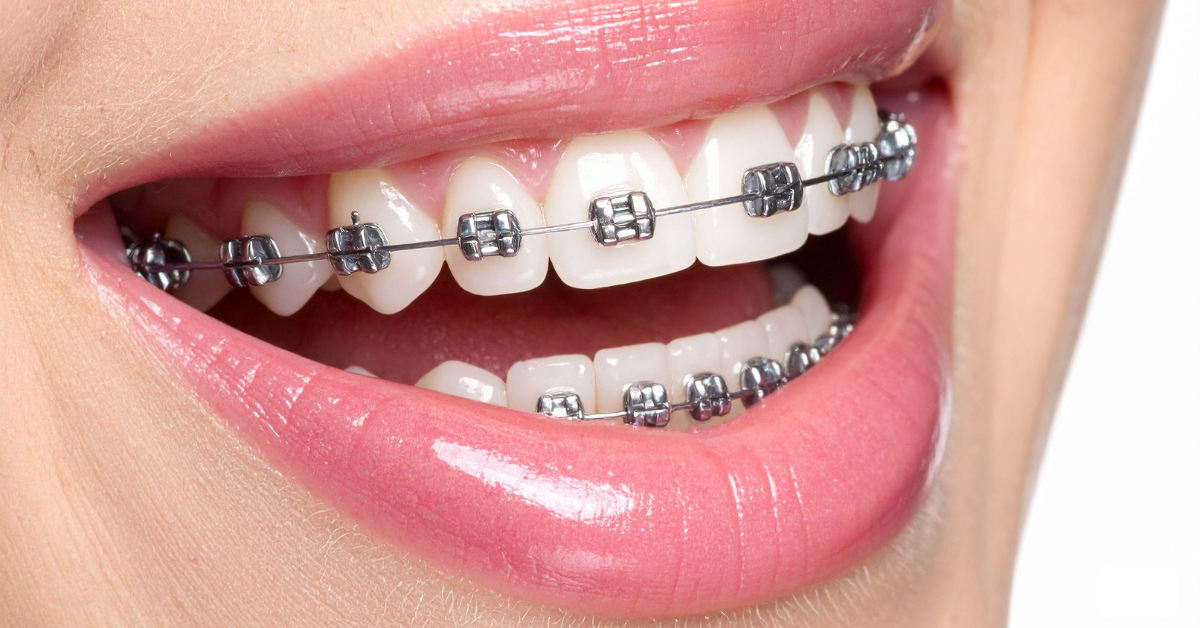
Self-ligating braces use brackets with a built-in mechanism to hold the orthodontic archwires, instead of relying on the traditional elastic ligatures used with conventional brackets. The wire sits inside a small clip or sliding door built into the bracket itself, rather than being tied down with a separate elastic band at each adjustment visit.
The treatment follows the same fundamentals as any braces system, with one key mechanical difference:
The underlying biology of tooth movement is the same as with any fixed braces system — what differs is how the wire is secured within the bracket.
|
Treatment |
Approximate Cost |
|
Self-ligating braces (metal) |
₹45,000 – ₹90,000 (full treatment) |
|
Self-ligating braces (ceramic) |
₹55,000 – ₹1,20,000 (full treatment) |
|
Consultation / records |
₹500 – ₹2,000 |
|
Additional procedures (extractions, bite correctors, etc.) |
Depending on requirement |
|
Retainers after treatment |
Charged separately, depending on type |
These figures reflect the general Chennai market range. Your final cost will depend on the type of bracket, case complexity, and length of treatment, and should be confirmed after an orthodontic consultation.
Metal self-ligating brackets are strong, durable, and among the most commonly used options. They're visible on the teeth (similar to conventional metal braces) but tend to sit at a more accessible price point than ceramic self-ligating systems, making them a common choice for patients prioritising durability and value.
Ceramic self-ligating brackets are tooth-coloured, making them considerably less noticeable than metal brackets while still using the same built-in wire-holding mechanism. This aesthetic advantage typically comes with a higher cost than the metal version.
|
Feature |
Self-Ligating Braces |
Traditional Braces |
|
Bracket mechanism |
Built-in clip/door |
Elastic ligature commonly used |
|
Elastic ties |
Usually not required to hold the archwire |
Commonly used |
|
Appearance |
Depends on bracket type |
Depends on bracket type |
|
Adjustments |
Depends on treatment plan |
Depends on treatment plan |
|
Treatment suitability |
Case dependent |
Broad range |
|
Cost |
₹45,000 – ₹1,20,000 |
₹25,000 – ₹60,000 (metal), ₹35,000 – ₹80,000 (ceramic) |
|
Cleaning |
Requires careful hygiene |
Requires careful hygiene |
Important: Self-ligating braces don't universally work faster than traditional braces. Treatment duration depends on the severity of the case, the amount of tooth movement required, patient compliance, the orthodontic plan, and individual response to treatment - not the bracket type alone.
There isn't a simple yes-or-no answer here. Self-ligating braces offer a different bracket mechanism, but whether they're the better option depends on the patient's orthodontic needs, treatment goals, budget, and the orthodontist's assessment.
A few points worth weighing:
The clip or door built into each bracket holds the archwires without needing a separate elastic tie at every adjustment.
Since elastic ligatures aren't used to hold the wire, there's one less component that can discolour or need replacing between visits - unlike conventional brackets, which rely on these ties.
Self-ligating systems are available in both metal and, where offered, ceramic versions, giving patients some choice in how visible the braces are.
Self-ligating braces can address a range of alignment concerns, though — as with any orthodontic system - not every case is automatically suitable, and this needs to be confirmed by an orthodontist.
A balanced view matters here:
Self-ligating braces are commonly considered for the following concerns, subject to an orthodontic assessment:
Teeth that don't have enough space to align properly.
Noticeable gaps between one or more teeth.
Teeth that are rotated, tilted, or misaligned.
Some overbite, underbite, or crossbite cases, depending on severity.
General misalignment affecting appearance or function.
An orthodontic assessment is required to determine whether self-ligating braces are the suitable choice for a particular case - treatment planning is always individualised.
Treatment duration depends on several factors:
There's no fixed timeline that applies to every patient — duration should be discussed and estimated by the treating orthodontist after a full assessment, rather than assumed from a generic number.
Most patients experience some initial pressure and temporary tenderness after bracket placement and at adjustment visits, as the teeth respond to the applied force. This discomfort is usually mild to moderate and tends to ease within a few days. Individual pain tolerance and response vary, and the treatment isn't completely painless for most people. If discomfort is significant, persistent, or accompanied by a broken bracket or wire, patients should contact their orthodontist.
This is a common point of confusion, and it's worth separating two different things:
Elastic ligatures are the small elastic ties used with conventional brackets to hold the archwires in place - self-ligating braces don't need these, since the built-in clip or door does that job instead.
Orthodontic elastics (rubber bands) are a separate tool that may be prescribed for certain patients - with self-ligating or conventional braces - to help correct specific bite relationships between the upper and lower jaw.
So, while self-ligating braces don't require elastic ligatures to hold the wire, some patients may still be prescribed orthodontic elastics depending on their bite correction needs.
Limit or avoid:
Your orthodontist can give dietary advice specific to your treatment plan and bracket type, so treat this as a general starting point rather than a complete list.
If you're considering self-ligating braces in Chromepet, here's what the process typically involves:
We provide self-ligating braces treatment for patients visiting our Chromepet clinic, with your treatment plan and cost confirmed after an in-person orthodontic assessment.
Self-ligating braces are orthodontic brackets with a built-in clip or door that holds the archwires, instead of the elastic ties used with conventional brackets.
Self-ligating braces in Chennai generally range from ₹45,000 to ₹1,20,000, depending on whether metal or ceramic brackets are used and the complexity of the case.
Not universally - the right choice depends on the patient's orthodontic needs, treatment goals, budget, and the orthodontist's clinical assessment.
Not necessarily. Treatment duration depends on the severity of the case, the amount of tooth movement required, and patient compliance - not solely on the bracket type.
Most patients experience mild to moderate, temporary discomfort after bracket placement and adjustments, which usually eases within a few days.
They don't require elastic ligatures to hold the wire, but some patients may still be prescribed separate orthodontic elastics to help correct specific bite issues.
Duration varies by case and should be estimated by your orthodontist after a full assessment, since it depends on severity, tooth movement required, and individual response to treatment.
Yes, adults can be candidates for self-ligating braces if clinically suitable, following an orthodontic assessment.
In many cases, yes - but suitability depends on the severity of crowding and an orthodontist's evaluation of the specific case.
Yes. Retainers are generally required after active treatment to help maintain the corrected tooth positions.
Considering self-ligating braces for teeth alignment? An orthodontic assessment can help determine the most suitable treatment option based on your bite, alignment and treatment goals.
.png)