.png)
A dental bridge is needed when one or more missing teeth affect your smile, bite, speech, or chewing ability.
When Do You Need a Dental Bridge? Signs, Benefits & Treatment Guide
Missing a tooth is more than just a cosmetic concern. It can make chewing difficult, affect your speech, change the way your bite fits together, and even cause neighbouring teeth to shift out of position over time. Replacing missing teeth early helps protect your oral health and restores your smile.
One of the most reliable ways to replace one or more missing teeth is with a dental bridge. But how do you know if it’s the right treatment for you?
This guide explains when dental bridge treatment is recommended, the different types of dental bridges, how the procedure works, and how to choose between a dental bridge and a dental implant.
Book a Consultation at Smile Solution Dental Care
What Is a Dental Bridge?
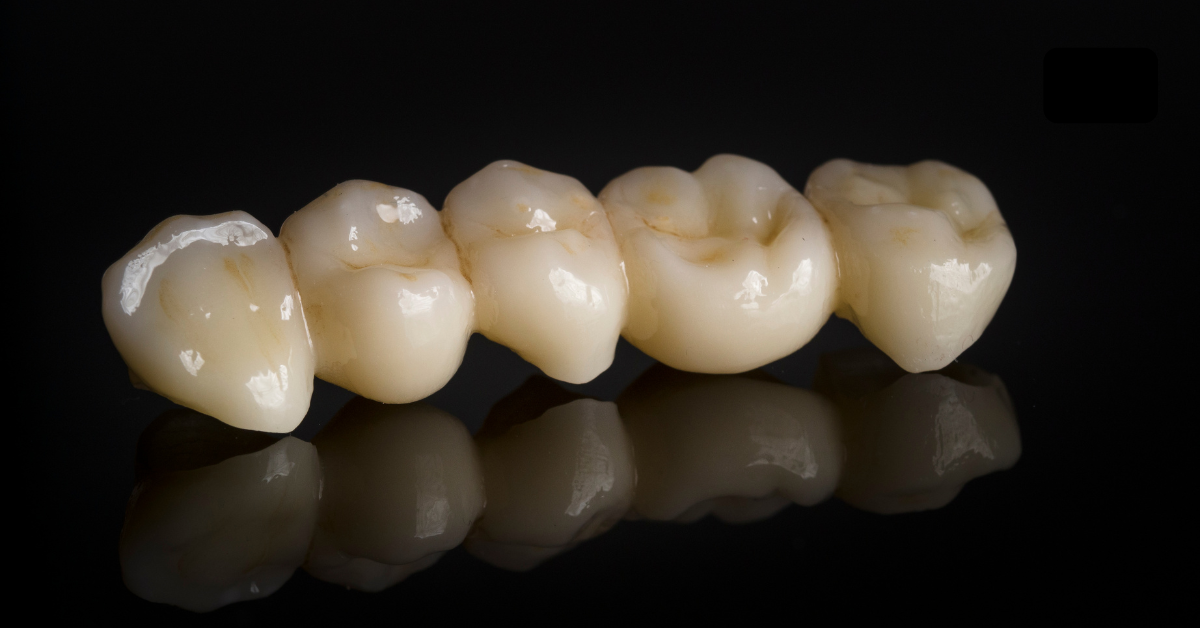
A dental bridge is a fixed dental restoration designed to replace one or more missing teeth. It fills the gap using an artificial tooth (called a pontic), which is supported by the natural teeth or dental implants on either side of the space.
Besides restoring your smile, a dental bridge helps:
Without replacing a missing tooth, surrounding teeth can gradually shift, leading to bite problems and increased difficulty maintaining oral hygiene.
When Do You Need Dental Bridge Treatment?
Your dentist may recommend a dental bridge if you:
A dental bridge is often an excellent option when the supporting teeth are healthy and strong enough to provide long-term stability.
Types of Dental Bridges
The right type of bridge depends on your oral health, the number of missing teeth, and the location of the gap.
Traditional Dental Bridge
The traditional bridge is the most commonly used option. It consists of one or more artificial teeth supported by dental crowns placed on the neighbouring natural teeth.
It is ideal when healthy teeth are present on both sides of the missing tooth.
Cantilever Dental Bridge
A cantilever bridge is used when only one adjacent tooth is available to support the bridge.
Although less common today, it can be suitable in selected cases where biting forces are minimal.
Maryland Dental Bridge
Also called a resin-bonded bridge, this design uses metal or ceramic wings bonded to the back surfaces of the adjacent teeth instead of full crowns.
It is commonly recommended for replacing missing front teeth, where minimal tooth preparation is preferred.
Implant-Supported Dental Bridge
Instead of relying on natural teeth, this type of bridge is supported by dental implants.
It is often recommended when multiple teeth are missing and offers excellent stability while preserving jawbone health.
What Happens During Dental Bridge Treatment?
Dental bridge treatment is usually completed over two or more appointments.
Initial Consultation
Your dentist will examine your teeth, gums, and bite to determine whether a dental bridge is the most suitable treatment.
Digital X-rays or intraoral scans may be taken to evaluate the supporting teeth and surrounding bone.
Preparing the Supporting Teeth
For traditional bridges, the neighbouring teeth are carefully reshaped to accommodate dental crowns that will anchor the bridge.
Digital Impressions
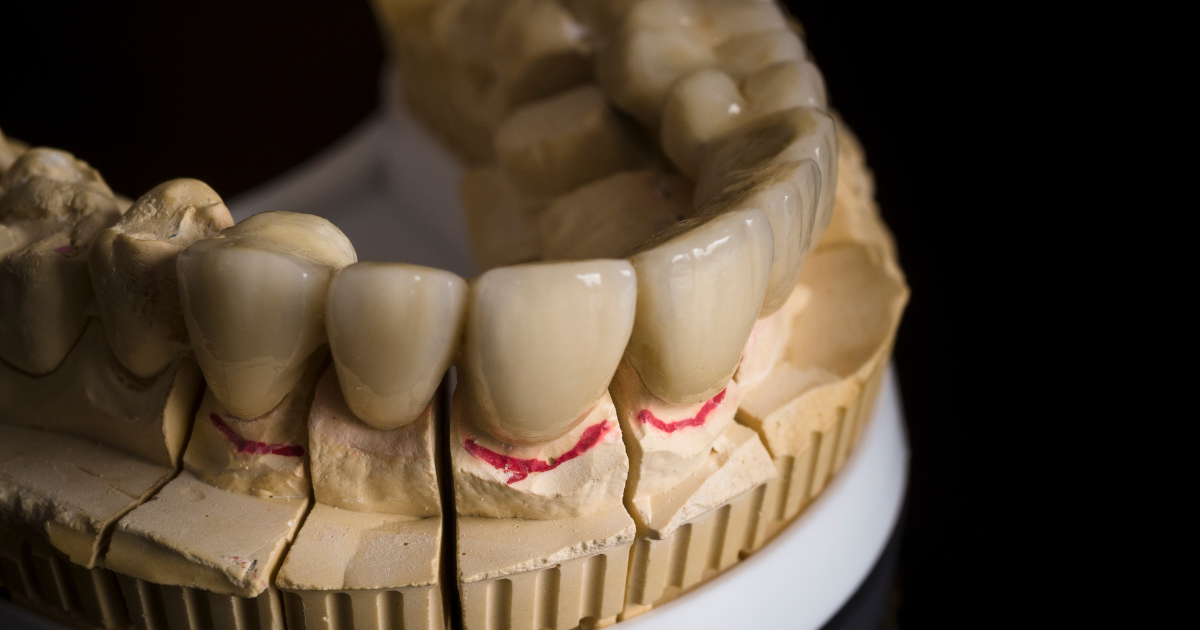
Digital scans or dental impressions are taken to create a custom bridge that matches your natural teeth in shape, size, and colour.
A temporary bridge may be placed while your permanent restoration is being fabricated.
Placement of the Permanent Bridge
Once your custom bridge is ready, your dentist checks its fit, appearance, and bite before permanently cementing it into place.
With proper care, a well-made dental bridge can last 10 to 15 years or even longer.
What Affects the Cost of a Dental Bridge?
The cost of dental bridge treatment varies depending on several factors, including:
A detailed examination is the best way to determine the most suitable treatment option and provide an accurate cost estimate.
Dental Bridge vs Dental Implant: Which Is Better?
Both treatments replace missing teeth effectively, but they serve different clinical situations.
Dental Bridge
A dental bridge may be the better option if you:
Dental Implant
Dental implants may be recommended if you:
Your dentist will recommend the most appropriate treatment after evaluating your oral health, bone condition, and long-term goals.
Can a Dental Bridge Improve Your Smile?
Absolutely.
Missing teeth can affect both your confidence and facial appearance. A custom-made dental bridge is designed to match the colour, shape, and size of your natural teeth, creating a seamless smile while restoring normal function.
Modern dental materials provide highly natural-looking results that blend comfortably with your existing teeth.
How to Care for Your Dental Bridge
Good oral hygiene helps extend the lifespan of your bridge.
To keep your bridge in excellent condition:
With proper care and regular dental visits, many bridges continue functioning well for well over a decade.
Conclusion
Dental bridge treatment is an effective solution for replacing missing teeth, restoring chewing function, improving speech, and enhancing your smile. Whether you need a traditional bridge, a Maryland bridge, or an implant-supported bridge, the right treatment depends on your individual oral health and long-term needs.
At Radiant Dental Care, every treatment begins with a comprehensive clinical evaluation to determine the most suitable tooth replacement option. Our experienced dentists provide personalised treatment plans designed to restore both function and aesthetics, helping you smile with confidence again.
Frequently Asked Questions
How long does a dental bridge last?
With good oral hygiene and regular dental check-ups, a dental bridge typically lasts 10 to 15 years, and in many cases even longer.
Is getting a dental bridge painful?
Dental bridge treatment is performed under local anaesthesia, making the procedure comfortable. Some mild sensitivity after treatment is normal and usually settles within a few days.
What’s the difference between a dental bridge and a dental implant?
Neighbouring teeth or implants support a dental bridge, while a dental implant replaces the tooth root by being placed directly into the jawbone. Both treatments have their own advantages depending on your clinical condition.
Can I eat normally after getting a dental bridge?
Yes. Once your permanent bridge is fitted and adjusted, you can comfortably enjoy most foods. Your dentist may recommend avoiding extremely hard or sticky foods to help prolong the life of your restoration.
How much does a dental bridge cost?
The cost depends on the type of bridge, the number of teeth being replaced, the material used, and your individual treatment requirements. A dental consultation is the best way to receive an accurate treatment estimate.